What the NTSB found
The National Transportation Safety Board said on September 16 that a fatal August 15, 2024 crash at the Swanton Township Toll Plaza could have been avoided if the Ohio Turnpike used fully electronic tolling and gave drivers clearer information about payment options. The agency issued a final report and safety recommendations; it did not create a new tolling law.
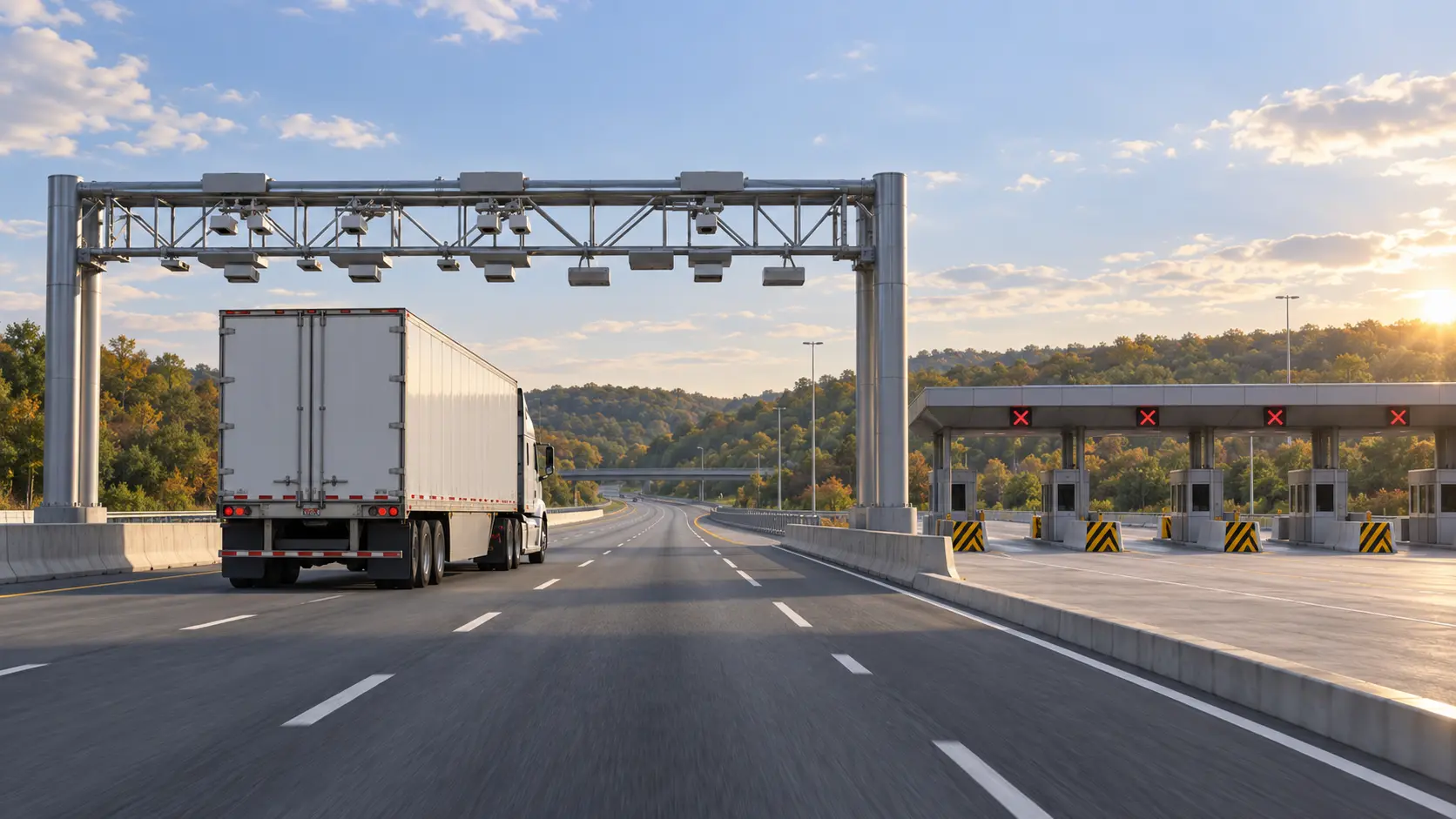
According to the NTSB, an SUV in the high-speed toll lanes slowed and moved toward the low-speed manual lanes across the path of a tractor-trailer. The truck struck the SUV and overturned. Two SUV passengers died, the SUV driver and another passenger were seriously injured, and the truck driver was seriously injured. A sulfonic-acid spill followed the rollover, but the agency reported no chemical-exposure injuries.
Why the toll-plaza design matters
Investigators concluded that combining high-speed electronic lanes with separated low-speed manual lanes encouraged last-second lane changes and large speed differences. Video reviewed over three weeks showed 1,099 similar late lane changes through the marked separation area, averaging 52 per day.
The NTSB recommended that the Ohio Turnpike and Infrastructure Commission permanently close the low-speed lanes and implement fully electronic tolling. It separately recommended that the Federal Highway Administration issue guidance on the safety benefits of fully electronic systems.
What commercial drivers should know
The report does not change a driver's legal obligations today. At hybrid toll plazas, drivers should read lane signs early, choose the correct payment lane before reaching the plaza and avoid abrupt lane changes across marked separation areas. Commercial vehicles need extra stopping distance, especially where speeds differ sharply between adjacent lanes.
The agency also asked the turnpike commission to evaluate additional emergency-access points at toll plazas. Any lane closure, construction or tolling conversion would require later action by the responsible road authority; drivers should rely on current official roadway signs and turnpike notices.
Primary sources and supporting records
- National Transportation Safety Board: NTSB Recommends Fully Electronic Tolling After Deadly Ohio Toll Plaza CrashPrimary final-investigation summary, findings and safety recommendations • Published 2026-09-16 • Checked September 16, 2026 at 5:10 PM
- Reuters: US safety board urges fully electronic tolling after fatal Ohio crashIndependent national report of the NTSB recommendation and crash context • Published 2026-09-16 • Checked September 16, 2026 at 5:11 PM
No corrections have been recorded for this article. Read our editorial and corrections policy.